

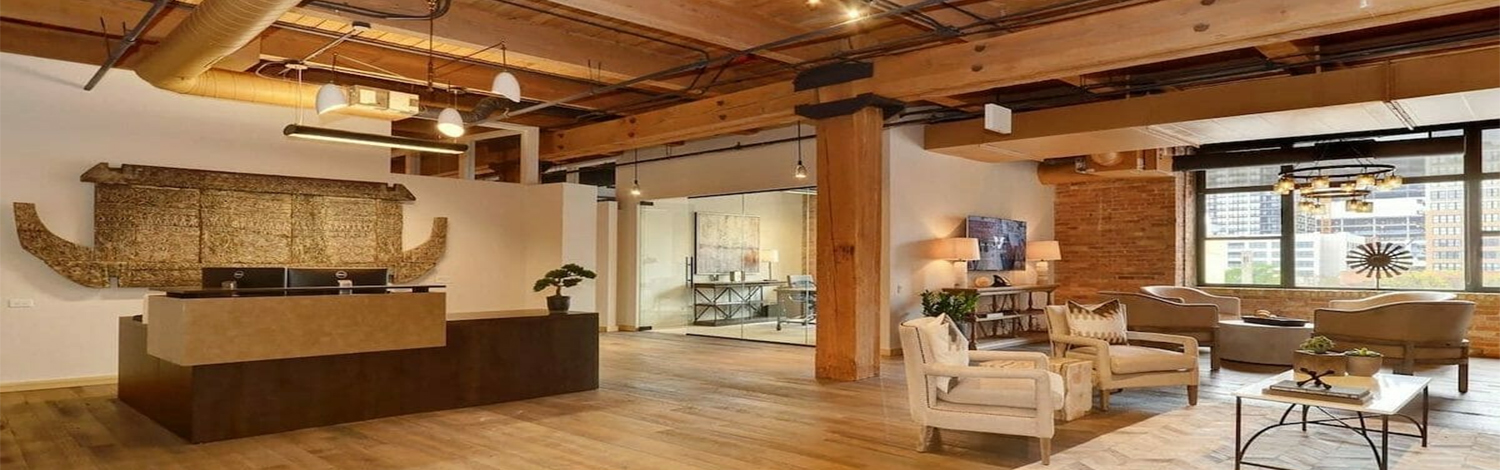
When it comes to commercial spaces, design goes far beyond aesthetics. The psychology of commercial interiors plays a vital role in shaping customer experience and influencing purchasing decisions. Whether it’s a retail store, a restaurant, or a hotel lobby, the environment can significantly impact how customers feel, behave, and engage with a brand. Let’s dive into how commercial interior design can be tailored to enhance the customer experience.
1. First Impressions Matter
The moment customers walk into a commercial space, their first impression is formed within seconds. The design of the entrance and the immediate surroundings sets the tone for the entire customer experience. An inviting and visually appealing entrance draws customers in, while cluttered or unwelcoming spaces may cause them to turn away.
Using elements such as a focal point, welcoming lighting, and clear signage can help make a strong and positive first impression. The color scheme, layout, and even the scent can all influence how a customer perceives a brand, whether consciously or subconsciously.
2. The Role of Lighting
Lighting is one of the most powerful design tools in influencing mood and customer behavior. Bright, cool-toned lighting can create an energizing atmosphere, ideal for active environments like fitness centers or retail spaces, while warm lighting can evoke feelings of relaxation and comfort—perfect for dining establishments or hospitality settings.
Strategic lighting can also highlight specific areas of a space, such as product displays or seating areas, guiding customers’ attention to key elements of your business. The right lighting not only improves visibility but also helps create the desired ambiance for different customer experiences.
3. Color and Emotional Connection
Colors have a profound impact on emotions, and understanding the psychology of color is essential in designing spaces that resonate with customers. For instance:
Red: Stimulates excitement and passion, often used in restaurants and fast-food outlets to encourage appetite and quick decisions.
Blue: Evokes trust and calm, making it ideal for banks, medical offices, or technology stores.
Green: Associated with nature and relaxation, often used in spas, wellness centers, and eco-friendly stores.
Yellow: Represents happiness and energy, commonly seen in children’s stores or entertainment spaces.
By strategically incorporating colors that align with your brand and the emotions you want to evoke, you can enhance customer engagement and overall satisfaction.
4. The Power of Space and Layout
The layout of a commercial space can impact customer flow, accessibility, and overall comfort. A well-planned design that allows for easy navigation and encourages customers to explore different areas of the space can increase the time they spend in-store, potentially leading to higher sales or customer retention.
An open, uncluttered layout encourages movement, while intimate or cozy seating arrangements can promote longer stays and deeper engagement. Creating clear pathways, as well as placing key products or services in strategic locations, can guide customers seamlessly through the space and encourage spontaneous purchases.
5. Sensory Experience
Creating a multi-sensory experience can have a lasting impact on customers. In addition to visual design, consider how sound, touch, and even scent can contribute to the overall atmosphere of a space. Soft background music can enhance a relaxed environment, while scents such as fresh coffee or floral notes can evoke pleasant associations with your brand.
Incorporating textures into furniture and décor also enhances the tactile experience, making spaces feel more comfortable and inviting. A sensory-rich environment leaves a positive impression that customers are likely to remember and share with others.
Conclusion
The psychology of commercial interiors is essential for crafting environments that foster positive customer experiences. By paying attention to details such as lighting, color, layout, and sensory elements, businesses can create spaces that not only attract customers but also engage and delight them. Thoughtful commercial interior design is a powerful tool in shaping customer perceptions and driving business success.