
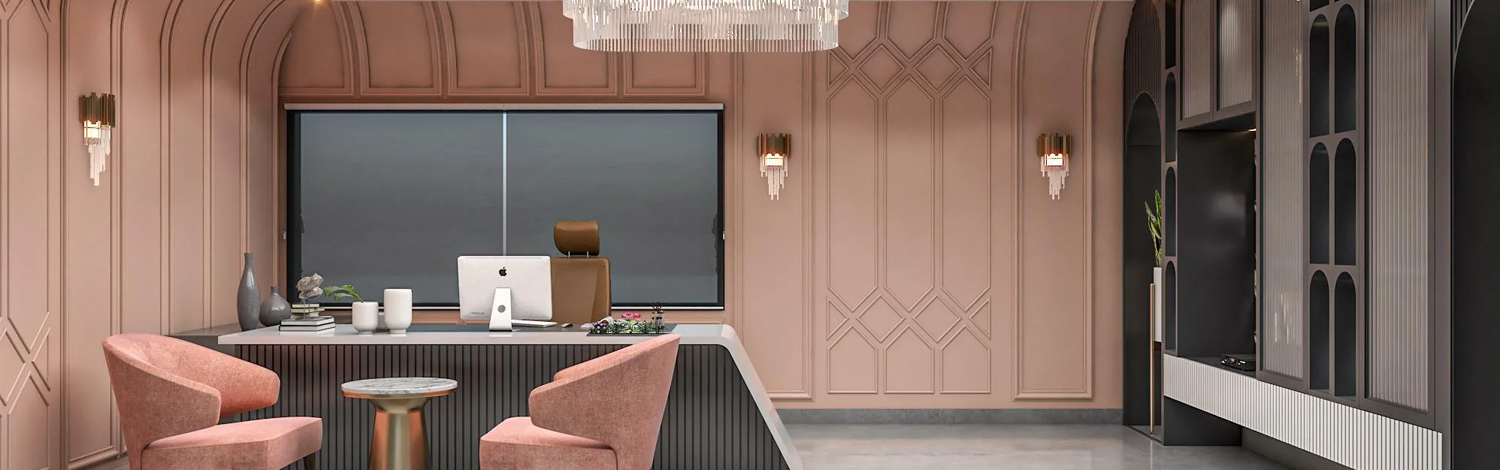
Commercial interior design is a delicate balance between functionality and aesthetics. While the visual appeal of a space is crucial in attracting customers, its functionality is what ensures a seamless experience for both employees and clients. To create successful commercial spaces, designers must consider how the layout, furniture, materials, and decor can serve both practical and visual purposes.
1. Prioritize Function Without Sacrificing Style
The first step in maximizing commercial interior design is understanding the primary function of the space. For example, in a restaurant, the layout must ensure smooth workflow for the kitchen staff, efficient seating arrangements for customers, and easy access for wait staff. In a retail space, it’s important to think about customer flow, product displays, and service counters.
Once the functional requirements are established, designers can begin to incorporate aesthetic elements that align with the brand’s identity. Color schemes, materials, and furniture choices should not only enhance the visual appeal but also serve the space’s intended purpose. For example, durable, easy-to-clean surfaces in a restaurant kitchen may be aesthetically pleasing yet highly functional for everyday use.
2. Integrating Technology
In the modern commercial environment, technology plays a vital role in both functionality and design. Whether it’s interactive displays in a store, smart lighting systems in an office, or digital menus in a restaurant, integrating technology into the interior design enhances the customer experience while also improving operational efficiency.
However, the key is to incorporate technology in a way that complements the overall design. For instance, placing screens in an aesthetically pleasing way without disrupting the flow of the space or integrating charging stations seamlessly into furniture designs ensures that technology enhances rather than detracts from the experience.
3. Flexible and Adaptable Spaces
Commercial interiors must often accommodate varying needs over time. Designing flexible spaces that can be easily adapted to different functions ensures long-term viability. Modular furniture, movable partitions, and multi-use rooms are perfect examples of how functionality can be maximized without sacrificing style. Whether it’s a conference room that doubles as a training area or an open office layout that can be reconfigured for team meetings, flexibility is a must.
By combining flexible furniture with aesthetically pleasing design elements, businesses can create spaces that serve multiple purposes without compromising on either form or function.
4. Sustainable Design Choices
Sustainability has become a key focus in modern interior design. Eco-friendly materials and energy-efficient solutions can enhance both the functionality and aesthetics of a commercial space. For example, using reclaimed wood, energy-efficient lighting, or low-VOC paints creates a healthier environment for employees and customers while contributing to a positive brand image.
Sustainability also ties into long-term functionality. Investing in durable, high-quality materials ensures the space remains in good condition for years, reducing the need for costly repairs or replacements.
5. Creating a Cohesive Brand Experience
Finally, the interior design of a commercial space should reflect the brand’s identity and message. A cohesive design ties together the aesthetic choices with the company’s values, creating a consistent experience for customers. Whether it’s a corporate office, a retail store, or a hospitality space, the design should mirror the brand’s mission and make customers feel connected to the business.
Conclusion
Maximizing commercial interior design is about finding the perfect balance between function and aesthetics. By understanding the practical needs of the space, integrating technology, ensuring flexibility, prioritizing sustainability, and reflecting the brand identity, businesses can create spaces that are both visually appealing and highly functional. Thoughtful design decisions will result in a space that not only looks good but also works well for both employees and customers, driving success and enhancing the overall experience.