
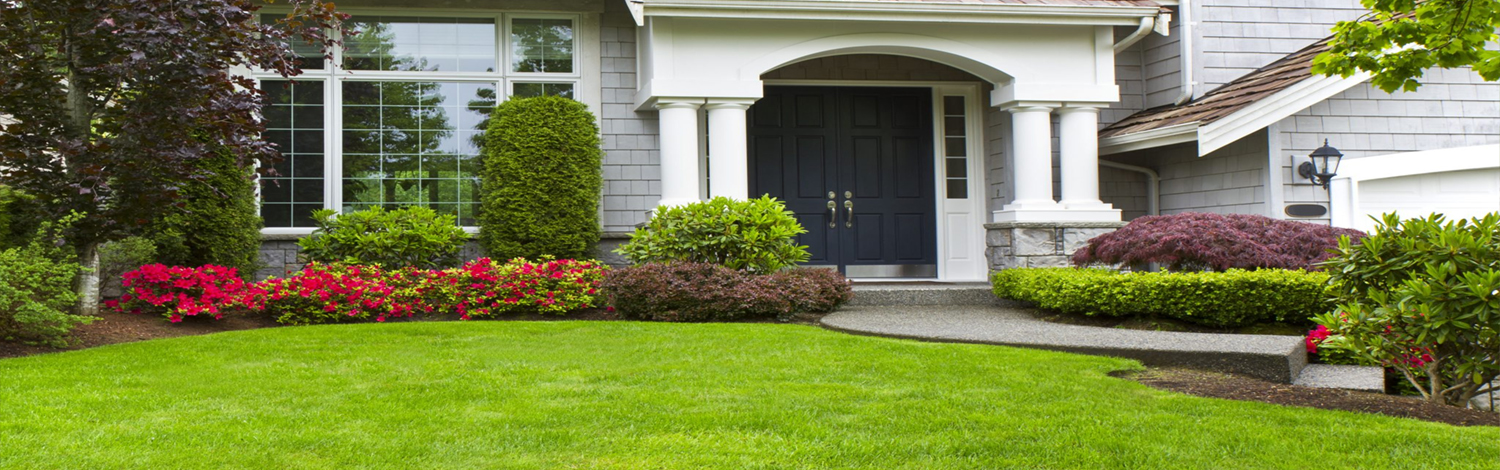
Introduction: Color is one of the most powerful tools in landscape design. Whether you’re creating a garden, designing a patio area, or arranging outdoor decor, color can make a significant impact on the atmosphere and visual appeal of your space. In this post, we’ll show you how to use color in your landscape design to create maximum impact.
1. Create Harmony with Color Schemes Start by choosing a color scheme that complements the style of your home and the overall feel you want to achieve in your garden.
Monochromatic: This scheme involves using varying shades of one color, creating a serene and unified look.
Analogous: These colors sit next to each other on the color wheel, such as blues and greens, and work well for a peaceful, harmonious design.
Complementary: Using colors opposite each other on the color wheel, like orange and blue, creates a vibrant contrast and a more dynamic look.
Triadic: A triadic scheme uses three colors evenly spaced on the color wheel, creating a balanced and lively design.
2. Use Bold Colors for Focal Points Bright and bold colors can draw attention and create focal points in your landscape design. Use vibrant hues for areas you want to highlight, such as an entryway, garden bed, or sculpture.
Red, yellow, and orange: These colors are energizing and attention-grabbing. Use them for flowers, planters, or architectural elements.
Purple and pink: These colors are ideal for creating a sense of calm and elegance, perfect for garden areas or patios.
3. Blend Cool and Warm Colors The balance between warm and cool colors can affect the mood of your outdoor space.
Warm colors like red, orange, and yellow create a cozy, welcoming, and stimulating atmosphere. They are perfect for creating lively and inviting areas.
Cool colors like blue, green, and purple evoke calmness, relaxation, and tranquility, making them great for peaceful spaces like reading nooks or garden retreats.
4. Use Color to Define Spaces Incorporate color to delineate different areas within your landscape. For instance, you can use flowers, shrubs, or even painted garden furniture to create clear boundaries between different sections, like a seating area or a garden pathway.
Contrast: Use contrasting colors to draw attention to walkways, garden borders, or patios.
Unity: Stick to a consistent color scheme across your landscape for a seamless, cohesive look.
5. Consider Seasonal Color Changes To keep your landscape dynamic and interesting, choose plants that offer color throughout the year. Many plants bloom at different times, ensuring that your space remains colorful even as the seasons change.
Spring: Tulips, daffodils, and lilacs add vibrant colors to the garden.
Summer: Bright annuals like marigolds, geraniums, and sunflowers bring bold pops of color.
Fall: Consider adding autumn-colored foliage like maples and chrysanthemums for a warm and rich look.
Winter: Evergreen shrubs and trees can provide texture and structure, and winter berries can offer pops of red or yellow.
Conclusion: The use of color in landscape design can make a remarkable difference in the way your outdoor space feels and looks. By carefully selecting color schemes, balancing warm and cool tones, and considering seasonal variety, you can create a visually stunning and harmonious landscape that enhances your home and your mood.