
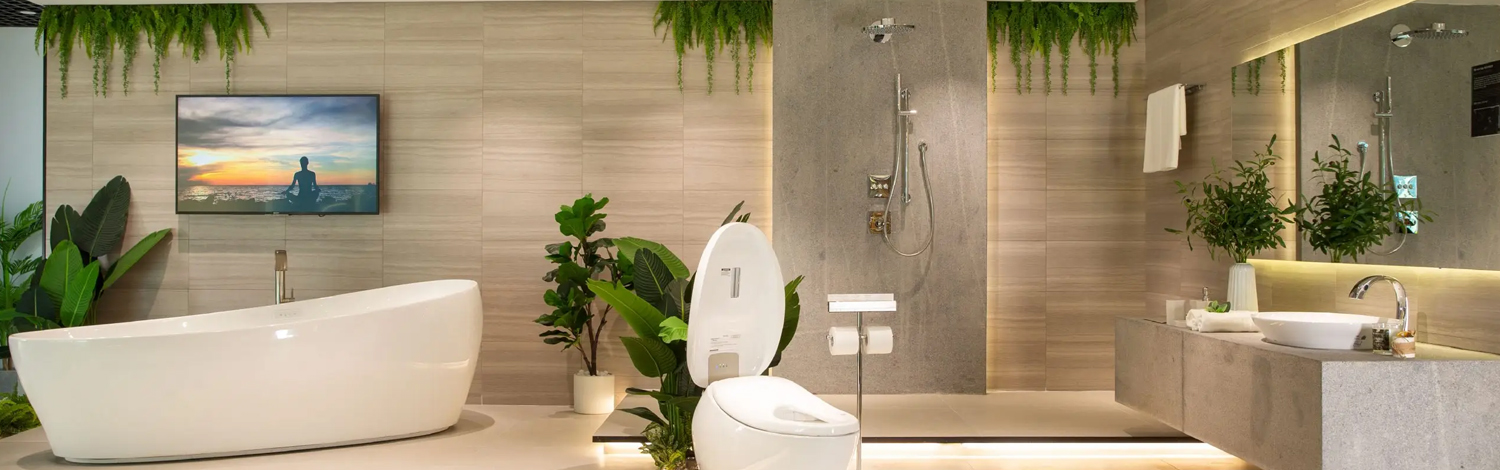
Introduction: Designing the perfect bathroom goes beyond picking a color scheme or choosing fixtures. It’s about creating a space that combines both style and functionality. Whether you’re remodeling or designing a new bathroom, there are several key elements you should consider to ensure your bathroom is both practical and visually appealing. Let’s explore the essential components that make up the perfect bathroom design.
1. Layout and Flow The first step in designing a bathroom is determining the layout and flow of the space. For a functional bathroom, it’s important to consider how the space will be used. Keep essential elements like the toilet, shower, and sink easily accessible without creating a cramped or disjointed layout. If space allows, try to create zones—one for showering, one for the toilet, and one for vanity and storage.
If you have a small bathroom, use space-saving solutions such as a corner sink or a wall-mounted toilet. For larger bathrooms, consider adding a freestanding bathtub or a separate shower and tub combination.
2. Lighting Lighting is one of the most important design elements in any bathroom. Not only does it play a crucial role in creating the right ambiance, but it’s also essential for tasks such as shaving, makeup application, or reading a book in the tub. Ideally, you should have a combination of ambient, task, and accent lighting.
Ambient Lighting: Ceiling-mounted fixtures or recessed lighting will provide overall illumination.
Task Lighting: Install sconces on either side of the mirror or overhead lighting above the vanity to reduce shadows.
Accent Lighting: Consider using LED strips or spotlights to highlight design elements like artwork or architectural features.
3. Storage Solutions A bathroom without adequate storage can quickly become cluttered and disorganized. Thoughtful storage solutions help keep your bathroom tidy and ensure that you have space for essentials like towels, toiletries, and cleaning supplies.
Consider adding built-in shelves, medicine cabinets, or a vanity with plenty of drawers. If you have limited space, opt for wall-mounted storage solutions or floating shelves.
4. High-Quality Fixtures The fixtures you choose for your bathroom—such as faucets, showerheads, and hardware—play a significant role in both the functionality and design of the room. Opt for high-quality fixtures that are built to last. Chrome, brass, and matte black are popular finishes that can complement a range of bathroom styles, from traditional to modern.
For a luxurious touch, consider adding a rainfall showerhead or a freestanding bathtub for relaxation.
5. Stylish and Functional Flooring The bathroom floor needs to be durable and easy to clean, especially with the moisture and traffic it experiences. Options like porcelain and ceramic tiles are popular because they’re resistant to water, stains, and scratches. If you want a softer feel, vinyl flooring is another good option that comes in a variety of styles.
Consider heated flooring if you want to add extra comfort, especially in colder climates.
6. Ventilation Proper ventilation is crucial in preventing mold, mildew, and excess moisture buildup in your bathroom. Install an exhaust fan that’s powerful enough for the size of your bathroom to keep the air fresh and reduce humidity levels.
Conclusion: Designing the perfect bathroom involves considering both aesthetics and functionality. By focusing on the layout, lighting, storage, high-quality fixtures, durable flooring, and proper ventilation, you can create a bathroom that’s both beautiful and efficient. Take your time to plan, choose the right materials, and add personal touches that reflect your style, and you’ll have a bathroom you’ll love for years to come.