
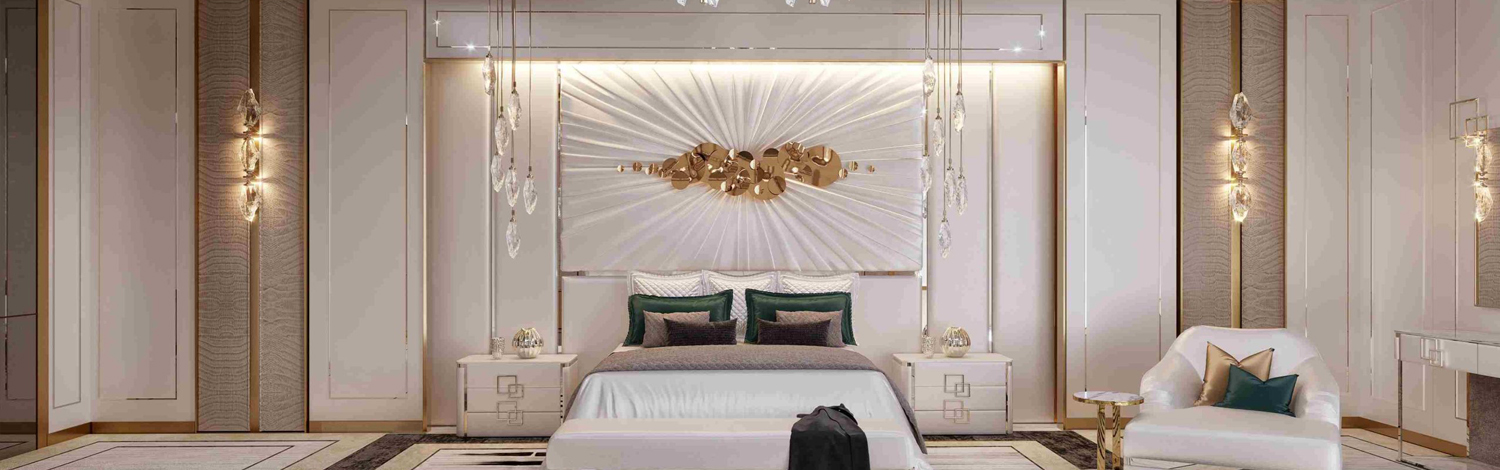
Small bedrooms can pose challenges, but with the right design tips, you can make the most of your space while ensuring it remains functional and comfortable. Here are some smart ways to design a small bedroom.
1. Maximize Vertical Space
In a small room, you need to think vertically. Use wall-mounted shelves, floating nightstands, and tall dressers to draw the eye upward and free up valuable floor space. Hanging hooks or racks for accessories, bags, or clothes can also help reduce clutter.
2. Choose Multi-Functional Furniture
Invest in furniture that serves multiple purposes. A bed with built-in storage drawers or a lofted bed can create extra room for a desk or seating underneath. Look for furniture that can easily be folded or tucked away, like a wall-mounted fold-down desk or collapsible chairs.
3. Use Light, Reflective Colors
Light colors can make a small space feel larger and more open. White, soft pastels, or light neutrals are great choices for walls, furniture, and bedding. Additionally, reflective surfaces, such as mirrors and glossy finishes, can help bounce light around the room and make it feel brighter and more spacious.
4. Create a Focal Point
In a small bedroom, a focal point is essential to draw attention and create a sense of purpose. Consider highlighting your bed with an interesting headboard, unique bedding, or a statement light fixture. A focal point helps to define the room’s design and gives it structure.
5. Utilize Under-Bed Storage
The space under your bed can be a goldmine for storage in a small bedroom. Use under-bed storage bins, boxes, or even drawers to store seasonal items, shoes, or extra bedding. If you don’t have a platform bed with built-in storage, consider a bed with a high clearance that allows you to store items underneath.
6. Keep it Simple
When designing a small bedroom, less is more. Avoid overcrowding the room with too many pieces of furniture or decorations. Keep your design streamlined and choose only the essentials. Simple furniture with clean lines will help keep the room feeling open and uncluttered.
7. Incorporate Sliding Doors
If your room has a closet or wardrobe, consider installing sliding doors instead of traditional swinging doors. This saves space and allows for better furniture arrangement without obstruction.
8. Create Zones for Different Activities
Even in a small room, it’s possible to create separate zones for sleeping, working, or reading. Use rugs or lighting to visually define different areas. For example, a cozy reading nook can be created in the corner of the room with a comfortable chair and a small lamp.
By making strategic choices with furniture and design, you can maximize your small bedroom’s functionality and create a space that is both comfortable and stylish.