
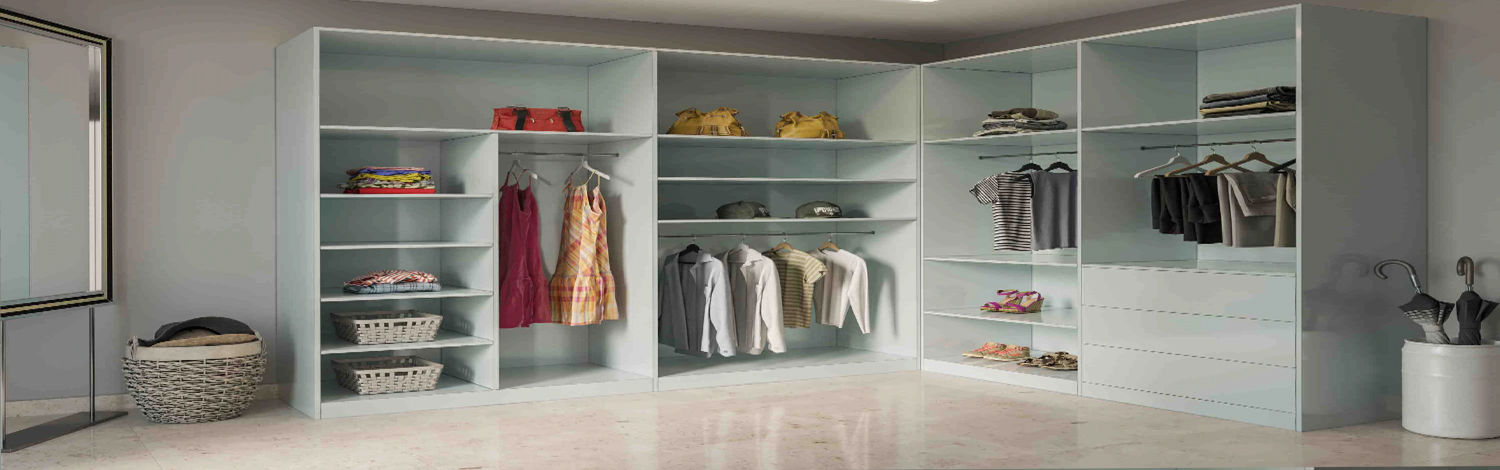
A wardrobe is more than just a space to store your clothes. It’s an essential part of your home that reflects your personal style and can help create a sense of harmony in your room. Designing a wardrobe that fits your style requires thoughtful planning and an eye for detail. Whether you’re looking to create a minimalist space or a bold, eclectic look, your wardrobe should feel like a natural extension of your aesthetic. Here’s a complete guide on how to design a wardrobe that matches your personal style.
1. Determine Your Personal Style
The first step in designing a wardrobe is understanding your personal style. Take some time to assess the type of clothes you wear most frequently, and think about the vibe you want for your space. Are you into minimalist designs, or do you prefer rich, opulent styles? Your wardrobe design should align with these preferences.
Types of Wardrobe Styles:
Minimalist: Simple, sleek designs with clean lines, neutral colors, and minimal accessories.
Modern: A blend of functionality and style with bold geometric shapes, metal accents, and neutral tones.
Eclectic: A mix of vintage and modern pieces, bright colors, and unique materials like wood, metal, or glass.
Classic: Timeless pieces with dark woods, polished finishes, and elegant details.
Industrial: Raw materials like exposed metal, wood, and glass, with a focus on utility and functionality.
Once you determine your style, choose a wardrobe design that reflects that aesthetic.
2. Choose the Right Wardrobe Style and Layout
Wardrobes come in various styles, and the layout you choose will greatly influence how functional and stylish your space feels. The layout of your wardrobe should reflect both your storage needs and your design preferences.
Wardrobe Types:
Sliding Door Wardrobe: Ideal for small rooms or spaces with limited floor space, as they don’t require extra room to open.
Hinged Door Wardrobe: These offer a more traditional look and are better for larger spaces where the doors can swing open.
Walk-In Wardrobe: A luxury option for larger rooms, offering plenty of space for clothes, shoes, and accessories with a more open layout.
Open Wardrobe: This style eliminates traditional doors for a more minimalist, open-concept approach. Perfect for those who love to display their clothes.
Corner Wardrobe: Great for maximizing unused corners in your room, utilizing every inch of space efficiently.
Select the wardrobe layout that works best with your space and allows you to incorporate your design elements.
3. Focus on Materials and Finishes
The materials you choose for your wardrobe will define its look and durability. A modern wardrobe may use materials like glass, metal, and lacquered wood, while a more traditional wardrobe might feature solid wood and natural finishes. Consider both the look and longevity of the materials before making a decision.
Material Choices:
Wood: Offers a warm, classic aesthetic. Opt for oak, walnut, or mahogany for a rich look, or lighter woods like pine or maple for a more airy feel.
Glass: Sleek and modern, glass doors can make a space feel open. Consider frosted or tinted glass if you prefer a little more privacy.
Metal: Perfect for an industrial or modern look, metals like stainless steel or brass can add an edge to your wardrobe design.
Laminates: Budget-friendly and versatile, laminate finishes come in various colors and textures to mimic wood or even concrete.
Finishes:
Matte: Smooth, sophisticated, and perfect for modern or minimalist designs.
Glossy: Shiny, luxurious, and ideal for creating bold statements.
Textured Finishes: Wood veneer, fabric, or stone-textured finishes can add depth to the design.
Choose materials and finishes that align with your preferred aesthetic while ensuring functionality and durability.
4. Consider Your Storage Needs
A wardrobe design is only as good as its functionality. Whether you have a small wardrobe or an expansive one, it’s essential to consider your storage needs. Think about what you need to store and how you’ll use the space.
Storage Features to Consider:
Hanging Rods: Perfect for storing clothes that need to be hung, such as dresses, jackets, and shirts.
Shelves: Adjustable shelves allow for flexible storage, making it easy to store items like folded sweaters, shoes, or bags.
Drawers: Useful for smaller items like jewelry, scarves, or accessories. Drawers also provide a neat way to store items out of sight.
Shoe Racks: If you have a large shoe collection, consider adding built-in shoe racks or pull-out drawers specifically for shoes.
Pull-out Trays or Baskets: These are great for organizing small items like belts, hats, or handbags.
Maximize storage efficiency by planning your wardrobe layout carefully. Consider dividing the space into specific zones, such as a section for hanging clothes, one for folded items, and a drawer system for accessories.5. Personalize with Custom Features
Personalizing your wardrobe design is the perfect way to make it uniquely yours. Custom features can add a personal touch, making your wardrobe both functional and aesthetically pleasing.
Ideas for Personalization:
Custom Lighting: Add LED strip lights inside the wardrobe to help you see everything clearly, especially in dimly lit rooms.
Mirrored Doors: A full-length mirror on the wardrobe doors can add functionality and make your space feel larger.
Integrated Technology: Consider incorporating technology like a built-in charging station for your devices or even a Bluetooth speaker system for entertainment while you dress.
Unique Handles and Hardware: Swap out standard wardrobe handles for something more personalized—brass knobs, leather pulls, or geometric shapes can add a distinctive touch.
Color and Patterns: If your wardrobe is open, use color-blocking or patterned fabrics on shelves and compartments to make the space pop.
6. Consider Practicality and Space Optimization
While aesthetics are essential, a wardrobe must also be practical. Consider your lifestyle and how much space you actually need for your clothing. For example, if you have a lot of long dresses or coats, ensure your wardrobe features enough hanging space. Alternatively, if you have many accessories, incorporating extra drawers or hooks may be useful.
Space-Saving Solutions:
Pull-out Racks: These can store scarves, ties, or belts and are easily accessible.
Adjustable Shelving: Allows you to change the height of shelves depending on what you need to store.
Hidden Storage: If you’re going for a sleek design, you can hide storage in unexpected places, such as behind mirrored doors or beneath pull-out benches.
Think about how you live and how often you’ll be using your wardrobe, and then adapt the design to suit your needs.
7. Budget and Timeline Considerations
Designing a wardrobe to match your personal style can range from a simple DIY project to a professional, custom-built design. Consider your budget and how much time you’re willing to invest. DIY projects and ready-made wardrobes are budget-friendly options, but for something more tailored to your tastes, a custom wardrobe may be worth the investment.
Cost-Effective Design Ideas:
Modular Wardrobe Kits: These provide flexibility and can be customized for your space and storage needs without the high cost of a fully bespoke design.
Repurpose Existing Furniture: If you already have a wardrobe, consider giving it a makeover with a fresh coat of paint, new hardware, or adding new shelves to make it more functional.
Set a realistic budget and timeline for your wardrobe project. Don’t rush the process—take the time to research, plan, and create a wardrobe that you’ll love for years to come.