
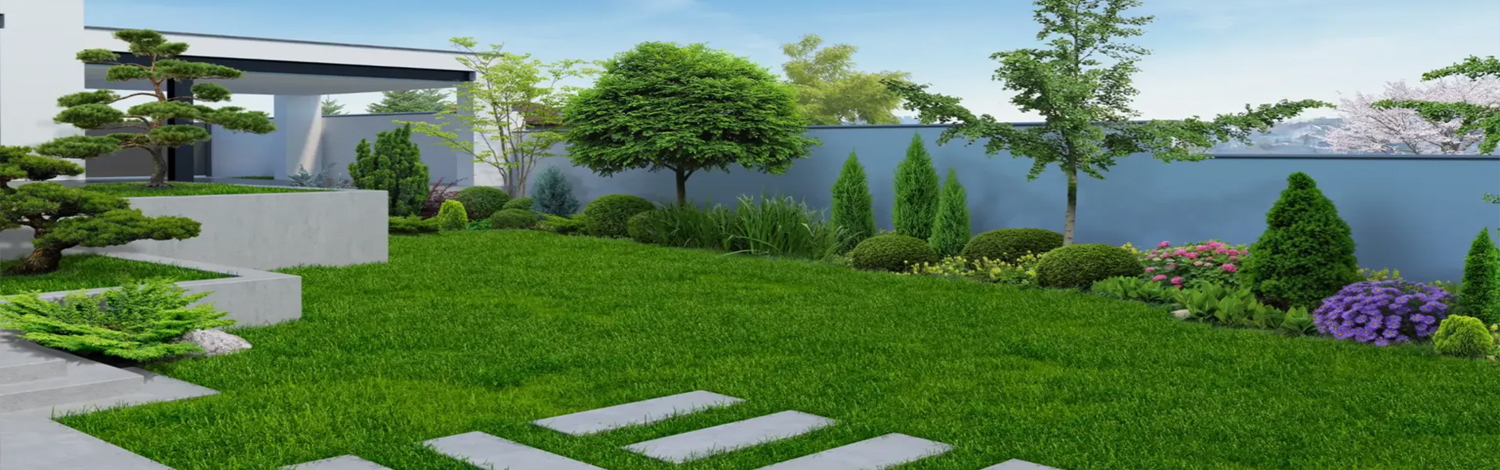
Introduction: Choosing the right plants is one of the most critical aspects of creating a successful landscape design. The plants you select not only define the visual appeal of your outdoor space but also affect the environment and maintenance level of your yard. In this blog, we’ll guide you on how to choose the perfect plants for your landscape design, ensuring that they thrive and enhance the beauty of your home.
1. Understand Your Climate Zone Before you start picking plants, it’s essential to know your climate zone. Certain plants thrive in specific climates, while others may struggle to survive. Research your USDA Hardiness Zone to determine which plants are best suited for your region.
Cold climates: Choose plants that are hardy and can withstand freezing temperatures.
Warm climates: Select drought-tolerant plants and those that thrive in heat.
2. Consider the Amount of Sunlight Different plants require varying amounts of sunlight. Make sure you assess your garden’s exposure to sunlight throughout the day. Some plants thrive in full sun, while others prefer partial or full shade.
Full sun plants: These plants typically need at least 6 hours of direct sunlight a day and work well in open spaces.
Shade-loving plants: These plants are perfect for areas with little sunlight, such as beneath trees or along fences.
3. Think About Maintenance Requirements Choose plants that fit your level of commitment to maintenance. Some plants require more care than others, so consider whether you have the time and resources to tend to them.
Low-maintenance plants: Perennials, succulents, and native plants are often easier to care for.
High-maintenance plants: Some plants may need frequent watering, trimming, and pest control, which could be more time-consuming.
4. Pay Attention to Size and Growth Habits It’s crucial to consider how large the plants will grow, as this will affect the layout of your landscape. Choose plants that will fit well into the available space and won’t outgrow their designated spots.
Small plants like ground covers or ornamental grasses are great for borders and containers.
Large plants such as trees and shrubs can create focal points or provide privacy.
5. Choose Plants for Year-Round Interest To keep your landscape attractive throughout the year, select plants that offer different features in each season.
Spring and summer: Look for vibrant flowers and foliage.
Fall and winter: Consider plants with colorful berries, evergreen shrubs, or trees with interesting bark.
Conclusion: The right plants can truly elevate your landscape, providing beauty, color, and texture all year long. By understanding your climate, sun exposure, and maintenance preferences, you can select plants that will thrive in your space and create a stunning outdoor environment.