
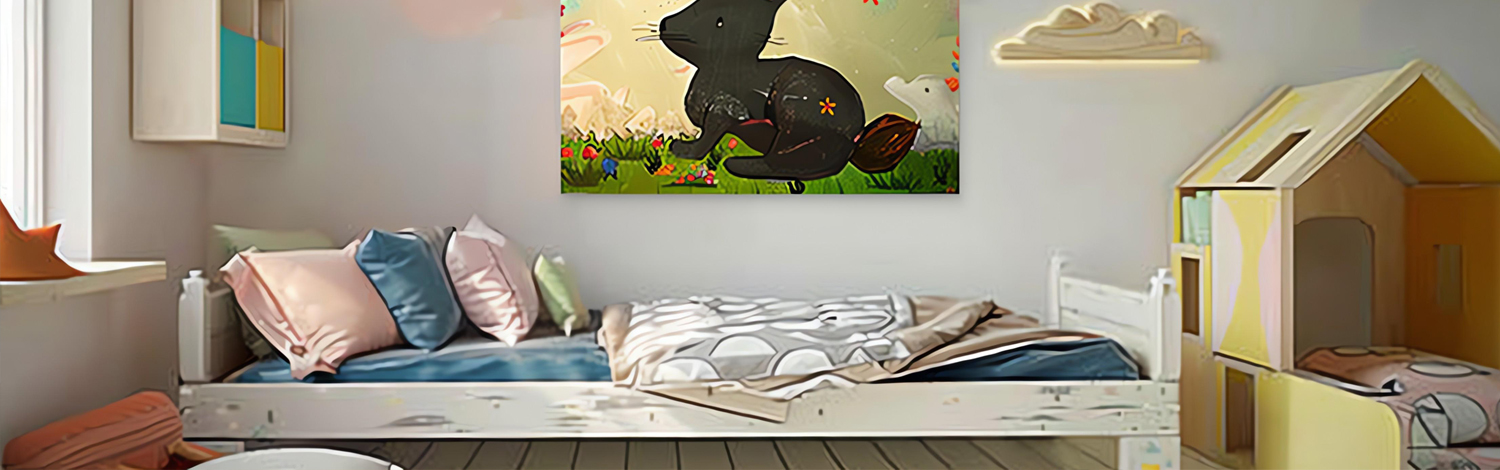
Choosing the perfect theme for your child’s bedroom can be both fun and overwhelming. A well-thought-out theme can help tie the room’s design together, creating a space that’s not only functional but also imaginative and inspiring. Here’s a guide to help you choose the ideal theme for your kids’ bedroom.
1. Consider Your Child’s Interests
The most important factor in selecting a theme is your child’s preferences. From favorite colors to hobbies, their personality should inspire the room’s theme. Whether they’re passionate about animals, space, or superheroes, choose a theme that excites them and reflects their current interests.
Tip: If your child’s interests change often, choose a more neutral base for the room, such as a simple color scheme or pattern, and add themed accessories that can easily be updated over time.
2. Think About Age-Appropriate Themes
The theme you choose should be age-appropriate and cater to your child’s developmental stage. For example, infants and toddlers might enjoy a soft, pastel color scheme or a theme with gentle patterns like animals or stars. As kids get older, their interests may turn to more specific themes like pirates, princesses, or a favorite cartoon character. For tweens and teens, consider modern and trendy themes like minimalistic Scandinavian, boho, or industrial.
Tip: Avoid themes that are too juvenile for older children. For example, a princess theme might be perfect for younger kids but may feel out of place as they grow.
3. Neutral vs. Bold Themes
Some parents prefer a neutral color scheme that’s easy to transition as their child’s tastes evolve, while others opt for a bold, standout theme that makes a statement. Neutral themes can be modern and stylish, allowing for greater flexibility in terms of decorating changes as your child grows. Bold themes, on the other hand, are great for making a dramatic impact and creating a fun, immersive environment.
Tip: If you go with a bold theme, consider using it for key pieces like the bedding, wall art, or furniture, while keeping larger items (like walls and flooring) neutral to allow for easy updates in the future.
4. Consider Functionality
When selecting a theme, also consider how the room will be used. If your child needs a space for both studying and playing, make sure the theme accommodates both purposes. For example, a nature or adventure theme might include plenty of open space for play, while a modern minimalist theme could focus on functional furniture and organized zones for work and relaxation.
Tip: Themes that include built-in features like playhouses or lofted beds can maximize space in small rooms while making the theme feel interactive and fun.
5. Don’t Forget About Color
Color plays a huge role in setting the mood for a room. Bright, vibrant colors are perfect for creating an energetic and fun atmosphere, while soft pastels and neutrals can evoke calmness and serenity. If you’re choosing a theme based on specific colors (like a nautical or jungle theme), make sure the color palette complements your child’s overall aesthetic preferences.
Tip: Use accent colors to highlight certain areas of the room. For example, you can have a pastel blue room with pops of yellow or white to keep things fresh and exciting.
Popular Kids’ Bedroom Themes:
Adventure or Jungle Theme: Trees, animals, and exploration inspire imagination.
Space Theme: Stars, planets, and rockets for a cosmic experience.
Underwater Theme: Oceans, sea creatures, and coral reefs for an aquatic adventure.
Superheroes or Princesses: Fanciful themes based on their favorite characters.
Nature or Outdoor Theme: Perfect for active kids who love the outdoors.
Sports Theme: Ideal for sports enthusiasts.
Ultimately, the perfect theme is one that resonates with your child’s personality while making their room feel like a fun, special space they love to spend time in.