
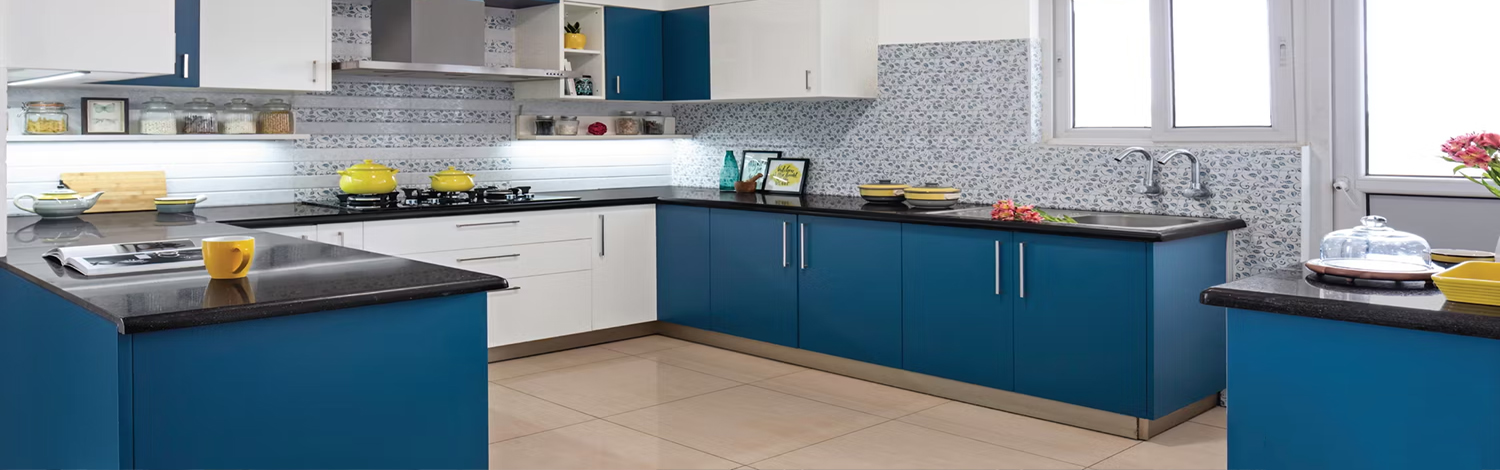
The kitchen is the heart of every home, and when it comes to designing a kitchen that’s both functional and stylish, modular kitchens are the ideal solution. Modular kitchens not only offer a high level of customization but also provide efficient storage and smart design. Whether you’re renovating an old kitchen or designing a brand new one, here’s how to create a modular kitchen that’s both stylish and highly functional.
1. Plan the Layout for Maximum Efficiency
The first step in designing a modular kitchen is planning the layout. An efficient layout can significantly improve the functionality of your kitchen. Most modular kitchens follow the “work triangle” principle, which places the three main work areas—the sink, stove, and refrigerator—within easy reach of one another. This ensures smooth movement while cooking and enhances overall efficiency.
Popular Kitchen Layouts:
L-Shaped Layout: Ideal for small to medium spaces, the L-shaped layout offers flexibility and enough counter space for meal prep, cooking, and storage.
U-Shaped Layout: For larger kitchens, a U-shaped layout maximizes storage and workspace, providing a clear distinction between cooking and prep areas.
Galley Layout: Perfect for smaller kitchens, the galley layout offers efficient use of space and ensures that everything is within arm’s reach.
Island Layout: If you have enough space, adding an island can increase counter space and provide additional storage, all while enhancing the kitchen’s visual appeal.
Tip: Take accurate measurements of your kitchen space and consider how you move through the kitchen daily before deciding on the layout.
2. Maximize Storage with Modular Units
Storage is one of the biggest challenges in any kitchen. Modular kitchens shine in this department, thanks to their customizable and efficient storage solutions. Opt for modular cabinets with a variety of smart storage options that keep everything organized and easily accessible.
Storage Ideas for a Modular Kitchen:
Pull-out Drawers & Shelves: These are perfect for storing pots, pans, and other kitchen essentials, offering easy access to items without the need to bend down.
Corner Units: Don’t waste space in the corners of your kitchen. Use corner shelves or carousel units to store items in these often underutilized areas.
Vertical Storage: Opt for tall cabinets that reach all the way to the ceiling to maximize storage. You can store seasonal items or less frequently used cookware in these higher cabinets.
Pantry Units: Incorporate pull-out pantry units to store dry goods, spices, and canned items. These units help keep everything neatly organized and visible.
Tip: Consider adding a modular pantry to store bulk items and free up counter space. Choose options with adjustable shelves to accommodate items of various sizes.
3. Choose the Right Materials for Durability and Style
Materials are key when designing a modular kitchen. You need to balance style and practicality. Choose materials that not only look good but are also durable and easy to maintain.
Popular Modular Kitchen Materials:
Countertops: Quartz and granite are popular choices for countertops due to their durability and ease of maintenance. They offer a sleek, modern look that’s both stylish and functional.
Cabinets: For a modern aesthetic, go for laminate, MDF, or engineered wood for cabinets. These materials are cost-effective, come in various finishes, and are easy to maintain.
Backsplashes: Subway tiles, glass, and ceramic are classic choices for backsplashes, but don’t be afraid to go bold with patterns, colors, or even marble to create a striking focal point.
Flooring: Choose slip-resistant tiles, vinyl, or wood for flooring. These materials are not only stylish but also practical, ensuring safety and durability in a high-traffic area like the kitchen.
Tip: Opt for finishes that are easy to clean and maintain, especially around high-traffic areas like the stove and sink. Matte finishes on countertops can help hide stains better than glossy ones.
4. Focus on Smart Appliances
In a modular kitchen, appliances play a crucial role in combining functionality with style. Opt for built-in or integrated appliances to maintain a clean and sleek look. Choose energy-efficient options to save on utility bills and contribute to sustainability.
Essential Smart Appliances:
Built-in Ovens and Microwaves: These save space and create a seamless, modern look. Look for models that blend into your cabinetry.
Energy-Efficient Refrigerators: Choose a refrigerator with smart features, such as adjustable shelves, water dispensers, and energy-efficient ratings, to enhance convenience and save energy.
Dishwashers: If space allows, a built-in dishwasher with a panel front (to match your cabinetry) can keep the kitchen looking streamlined and modern.
Induction Cooktops: Induction cooktops are sleek, fast, and energy-efficient, making them an excellent addition to a modular kitchen.
Tip: Opt for appliances that offer advanced features such as smart technology and energy-saving modes, which improve both convenience and efficiency.
5. Embrace Minimalism with Clean Lines and Simple Designs
A key feature of modular kitchens is their minimalist approach to design. The idea is to create a clean, streamlined look with simple lines, hidden hardware, and clever storage solutions. This modern aesthetic can make your kitchen feel more spacious and sophisticated.
Minimalist Design Tips:
Flat-Front Cabinets: Choose cabinets with no visible handles or knobs for a sleek, modern look. Handle-less designs are a hallmark of modular kitchens and provide a seamless look.
Hidden Appliances: Use modular units that can hide appliances like dishwashers or microwaves, creating a clutter-free space.
Neutral Color Scheme: Stick to a neutral color palette with whites, grays, and light wood tones to create a calming, clean atmosphere. You can introduce pops of color through accessories like stools, rugs, or backsplash tiles.
Tip: Add a touch of warmth to the minimalist design by using natural wood finishes or incorporating houseplants into your kitchen decor.
6. Lighting Is Key
Lighting is crucial in any kitchen, and a modular kitchen design benefits from layered lighting. Proper lighting enhances the functionality and ambiance of the space.
Types of Kitchen Lighting:
Ambient Lighting: Recessed lighting in the ceiling or under-cabinet LED strips provide even, general illumination for the entire room.
Task Lighting: Pendant lights above work areas like the sink, stove, and countertops will help with meal preparation and other tasks. Under-cabinet lights are also ideal for providing focused task lighting.
Accent Lighting: Use accent lighting to highlight architectural features, artwork, or the backsplash. Pendant lights or spotlights work well here.
Tip: Use dimmable lights to control the intensity of light in your kitchen. This allows you to create a bright, functional environment when cooking or a softer ambiance when entertaining.
7. Personalize with Stylish Accents
Once the functional elements are in place, it’s time to add personal touches that reflect your style and personality. Modular kitchens can be tailored to your preferences, making them a blank canvas for creative design.
Accents to Consider:
Decorative Accessories: Add stylish decor such as art prints, decorative bowls, or vases to bring personality into the space. These small elements can make your kitchen feel more like an extension of your home.
Bar Stools or Chairs: Choose stools or chairs in unique styles to add interest to your kitchen island or breakfast nook.
Open Shelving: If you have open shelving in your design, use it to display your favorite dishes, cookbooks, or plants, bringing a homely touch to your modular kitchen.
Tip: While personalization is important, avoid overcrowding your kitchen with too many accessories. Focus on a few meaningful pieces that enhance the space without making it feel cluttered.