
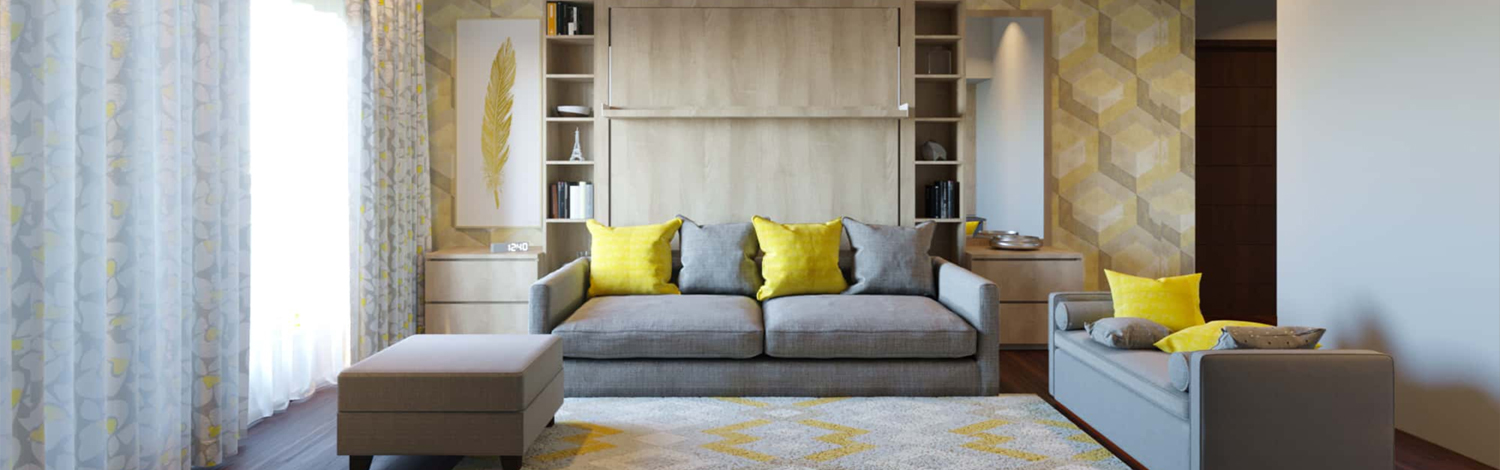
Maximizing space in your home doesn’t necessarily mean you need to undergo a huge renovation. With a few clever hacks and a mindful approach to organization, you can make the most out of every inch, regardless of how big or small your living space is. Here are some space-saving tips that will help you optimize every corner of your home, whether you’re living in a cozy apartment or a larger house.
1. Start by Decluttering
The first and most important step in creating more space in your home is to declutter. Less is more when it comes to small living spaces. Go through your belongings and get rid of anything that you don’t need or use. This can free up significant space and make your home feel less cramped.
Tip: If you haven’t used something in the past six months, it’s likely safe to let it go. Donate or sell items to maximize your space.
2. Use Multi-Functional Furniture
Opt for multi-functional furniture pieces that can serve more than one purpose. For instance, a sofa bed can double as both a seating area and a sleeping space, while an ottoman can serve as both a coffee table and additional storage.
Examples of Multi-Functional Furniture:
Storage Ottomans: Great for hiding away extra pillows, blankets, or magazines.
Convertible Coffee Tables: Some coffee tables can transform into dining tables or desks.
Foldable Desks and Tables: Space-saving desks and tables can be folded away when not in use.
3. Install Floating Shelves
Floating shelves are a fantastic way to make use of vertical space. By adding shelves to your walls, you can store books, decor, or kitchen essentials without taking up valuable floor space. Floating shelves keep your home organized and give it a modern, minimalistic feel.
Tip: Install shelves above eye level to keep your space feeling open and to store things you don’t use every day, like seasonal items or decorative objects.
4. Use Under-Bed Storage
The space under your bed can be a goldmine for extra storage. Invest in bed risers to increase clearance under the bed or buy under-bed storage bins. Store seasonal clothing, shoes, or extra linens that aren’t used daily.
Tip: Consider a lofted bed if you have a small bedroom, which will allow you to store items underneath or create a small office or seating area below.
5. Optimize Closet Space with Organizers
Closet space is often one of the most underutilized areas in the home. Use closet organizers like hanging racks, shoe racks, and space-saving hangers to maximize vertical space. Consider adding hooks or pegboards for extra storage for accessories or bags.
Tip: Make use of the back of closet doors by installing hooks or racks for hats, scarves, or bags.
6. Invest in Slim or Collapsible Furniture
When designing small spaces, furniture that can collapse or slide out of the way is invaluable. Slim-profile furniture such as narrow side tables or collapsible chairs are perfect for tight areas like apartments or studio spaces.
Tip: Consider collapsible dining chairs or foldable wall-mounted desks that can be easily tucked away when you don’t need them.
7. Hang Curtains Higher Than the Window
To give the illusion of height and make your space feel larger, hang curtains or drapes higher than the window frame. This trick draws the eye upward, making ceilings appear higher and the room feel more expansive.
Tip: Opt for floor-to-ceiling curtains to create a sense of grandeur and maximize light.
8. Make Use of Vertical Storage in the Kitchen
In the kitchen, vertical space is often underused. Use wall-mounted racks for pots, pans, or spices. Install shelves above counters to store dishes or utensils. A tall pantry can help you store dry goods or kitchen tools efficiently.
Tip: Install a pegboard above your kitchen counter to hang kitchen tools like knives, measuring cups, or mugs.